Carved puppets and small-studio grit: voices we heard at Animation Days at DFM 2026
Animation Days at DFM 2026, in partnership with CTIAF, opened on Saturday 10 October with a full day of talks, screening and networking.
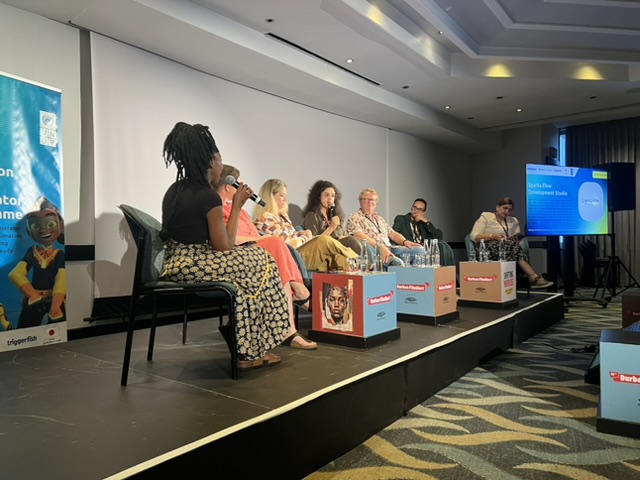
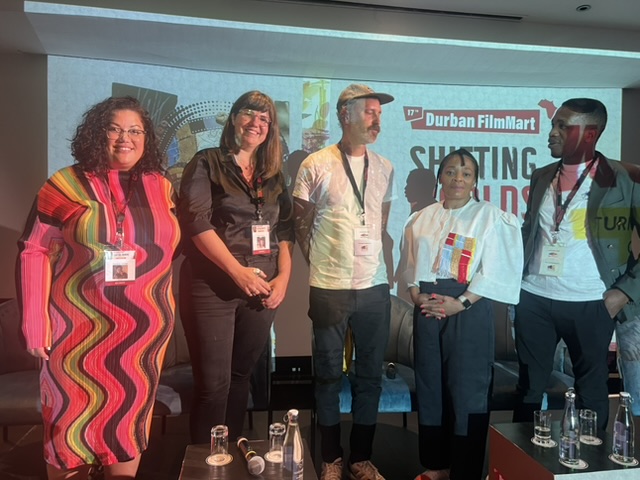
Our morning sessions included Building Africa’s Animation Ecosystem: From Talent to Industry, bringing together Anthony Silverston (Triggerfish), Nadine Cloete (NFVF), Hanyani Sono (SABC), Busani Magwaza (K-CAP) and educator Kelly Walker, with Joy Mawela moderating,
Bill Masuku moderated the Beyond the Festival Circuit: Who Is Watching African Animation? panel, featuring Michael Engwema (SABC), Thandeka Zwana (Indigenous Pictures), Hamid Ibrahim (Kugali) and Véronique Encrenaz (MIFA/Annecy) on building audiences at home.
There was also a chance to catch our Best of CTIAF 2026 African Roots Selection Vol. 1 Film Screening.
Joel Matladi, Renee van Reenen and Shofela Coker asked whether independent animation can be a business in the Small Studios, Big Stories
panel. Erentia Bedeker, Nildo Essá, Claire Louis and Esther Pearl talked about perseverance, setbacks and knowing when to let go in Grit and Resilience: The Journey of Never Giving Up.
The day closed with Innovate. Animate. Elevate. – a panel, and networking session, on turning Western Cape studios into a cooperative cluster better positioned to compete for international co-productions, through the UNDP Animation Studio Accelorator Programme.

Speakers Highlight:
Joel “Cyzo” Matladi has a clear mission. He wants to make animation that is emotive and engaging, and that rewrites the way Africans have too often been portrayed in Western media.
Matladi is a Johannesburg-based animator and digital artist. He leads Black Native Studios, a South African studio that makes animation for advertising, original content, music videos and interactive experiences. His style draws on African visual heritage alongside anime and comics. His credits include writing and directing the animated music video I’m a King for US collective Kingmakers of Oakland, and animation on MAP1MP1: The Makazole Mapimpi Story (2022).
He is candid about the business side of animation. On LinkedIn he has written about the emotional load of running a small company, where the founder has to hold everything together without the support structures bigger companies rely on. He has also shared a grounded view of how AI is, and isn’t, affecting animation work.
This makes him a natural fit for Small Studios, Big Stories. Films like Flow have shown that ambitious animation doesn’t need a blockbuster budget. The panel asks whether Africa can build a sustainable independent industry around original, distinctive work rather than chasing volume.
“Can a small African studio build a sustainable business on original stories, and what does that take in practice?
Yes, it can, but the approach is important. Animation is a medium for creating products, and those products need a business model that aligns with what they are and who they serve.” – Joel Matladi

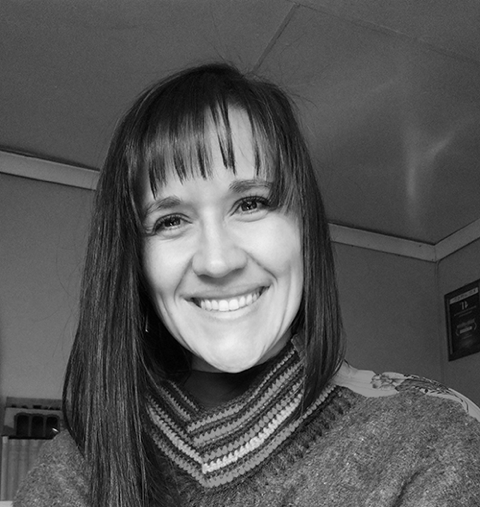
Some animators make films. Erentia Bedeker carves them, sometimes literally.
Bedeker grew up in Namibia and is now based in Johannesburg. She co-founded Wreckless Creative, a small independent design and animation studio, and works in stop-motion. Her work ranges from paper cut-outs to hand-carved wooden puppets. On her own films she often fills almost every creative role herself: director, animator, concept artist, storyboard artist and scriptwriter. That approach has travelled. Her debut professional short, The Wild Goose Let a Feather Fall, picked up international festival recognition. Ruby & Roach is a story about two unwanted toys in an airport shop, and was named Best South African Short and Best African Short at the Durban International Film Festival in 2020, as well as Best Children’s Film at Tbilisi International Animation Festival.
Her current project, the puppet film The Stonemason, shows the realities of independent work. Arthouse animation rarely attracts big investors, so Bedeker turned to crowdfunding to buy the time to finish the film without juggling side jobs.
We asked Bedeker: What has kept you going on a long independent project like the Stone Mason ? was there ever a low point, especially with funding challenges and what would you say to an animator about to start one?
“A close knit community of other creatives that understand the struggles of working independently on personal projects was key to keeping motivated on Stonemason. People that not only support you, but also keep you accountable. For someone starting out, I’ll say make really sure what your motivation is for making a film, because that becomes the primary driving force that helps to keep your eyes on the prize when the going gets tough. The Japanese director Hayao Miyazaki said you should make your film with the firm believe that your film can change the world, even if it doesn’t.” – Bedecker
And when asked about attending DFM, Erentia said “it’s been a bit overwhelming. As introvert my instincts tell me to hide when I see crowds, but I am so glad to have this opportunity to meet peers in the animation industry.”